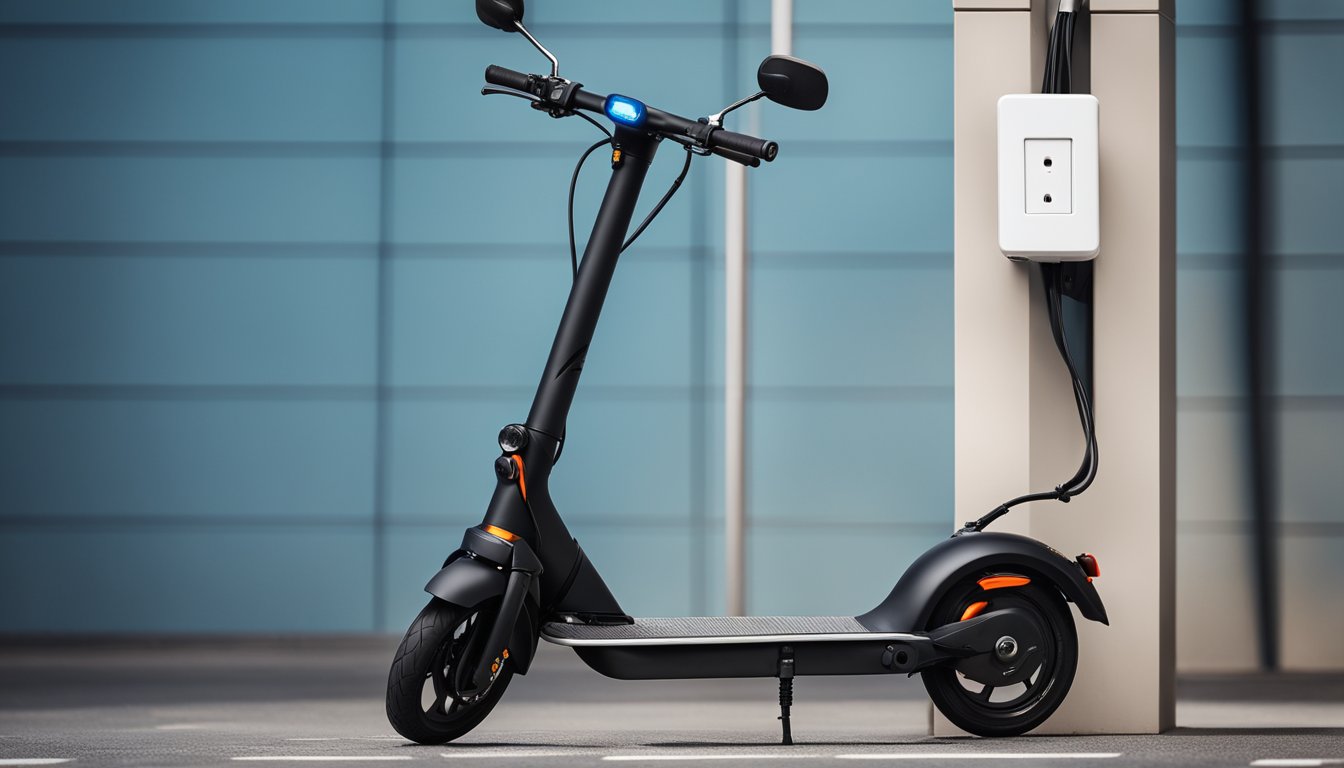
How to Charge Your Electric Scooter Properly and Safely: A Full Guide
Electric scooters have taken the world by storm, offering an eco-friendly, efficient, and fun way to zip around town. But if you want your scooter to serve you reliably for years to come, knowing how to properly charge it is crucial. Done right, charging your electric scooter not only ensures safety but also extends the lifespan of its battery—saving you money and headaches in the long run.
In this comprehensive guide, we’ll walk you through everything you need to know about charging your electric scooter safely and effectively.
Understanding Your Electric Scooter Battery
Before we dive into the charging process, let’s talk batteries. Most electric scooters today are powered by lithium-ion batteries, prized for their lightweight design and long lifespan. However, improper charging habits can quickly wear them down.
Each battery has a limited number of charge cycles—the number of times it can go from empty to full before its capacity starts to degrade. By treating your battery right, you can maximize these cycles and keep your scooter running like new.
Preparation Before Charging
Charging might seem as simple as plugging in a cord, but a little preparation goes a long way in ensuring safety and efficiency. Here’s what to do before charging your scooter:
- Read the manual: Every scooter model is different. Your manufacturer’s manual will tell you the correct charger to use and how long to charge.
- Inspect the charger and port: Look for any damage, dirt, or debris in the charging port. Using a damaged charger or port can cause malfunctions or fires.
- Choose the right location: Always charge your scooter in a cool, dry place. Avoid charging in direct sunlight or damp areas to prevent overheating or electrical shorts.
Step-by-Step Guide to Charging
Ready to power up? Follow these steps for a seamless and safe charging experience:
Turn off your scooter.
Charging with the scooter turned on can create unnecessary strain on the battery.Connect the charger to the scooter.
Securely plug the charger into the scooter’s charging port. Make sure it clicks into place.Plug the charger into the wall outlet.
Use a stable power source and avoid loose sockets.Monitor the charging process.
Most chargers have indicator lights: red means charging, and green signals a full charge. Keep an eye on these to avoid overcharging.Unplug carefully.
Once charging is complete, unplug from the wall first, then disconnect from the scooter.
Charging Dos and Don’ts
Dos:
- Always use the original charger or one recommended by the manufacturer.
- Charge your scooter at room temperature, ideally between 10°C and 30°C (50°F to 86°F).
- Recharge your battery regularly, even if you’re not using the scooter for a while.
Don’ts:
- Avoid overcharging. Leaving your scooter plugged in overnight might seem harmless, but it can damage the battery over time.
- Don’t charge the scooter immediately after a ride. Let the battery cool down for 15–30 minutes to avoid overheating.
- Avoid using cheap extension cords or power strips—they can cause voltage fluctuations.
Troubleshooting Common Charging Issues
Even the best-laid charging plans can run into hiccups. Here’s how to tackle some common issues:
- The scooter isn’t charging: Double-check the charger, port, and wall outlet for damage or loose connections.
- Overheating during charging: Stop charging immediately and move the scooter to a cooler area. Persistent overheating could mean a faulty battery or charger.
- Flickering charger light: This might indicate a problem with the charger. Consider replacing it with an approved model.
Extending Battery Life
Want to get the most out of your battery? Follow these tips to keep it in tip-top shape:
- Avoid deep discharges: Don’t wait until your battery hits 0% before recharging.
- Store smart: If you won’t be using your scooter for weeks, store it at 50–70% charge in a cool, dry place.
- Charge regularly: Even if you’re not riding often, recharge every 2–3 weeks to maintain battery health.
Safety Precautions for Charging
Safety first! Here are some golden rules to keep you and your scooter safe:
- Keep away from flammable materials: Don’t charge near curtains, bedding, or other combustible items.
- Ventilate the area: Charging generates heat, so make sure the room is well-ventilated.
- Be alert to recalls: Check if your scooter or charger has any manufacturer recalls due to safety concerns.
FAQs
Can I use a fast charger for my electric scooter?
Only if the manufacturer recommends it. Using an unapproved fast charger can damage the battery.
How long should I charge my scooter?
Most scooters take 4–6 hours to fully charge. Always refer to your manual for specifics.
What happens if I overcharge my battery?
Overcharging can cause overheating, reduce battery lifespan, and in extreme cases, lead to safety hazards.
Is it okay to charge overnight?
While modern batteries have overcharge protection, it’s still best to avoid overnight charging to preserve battery health.
Conclusion
Charging your electric scooter properly and safely is more than just a good habit—it’s essential for getting the most out of your ride. By following the tips in this guide, you’ll keep your scooter’s battery healthy, ensure your safety, and enjoy smooth rides for years to come.
Got more questions or tips to share? Drop them in the comments below—we’d love to hear from you!