Common Electric Scooter Brake Problems and How to Fix Them
Electric scooters have become an eco-friendly and convenient way to zip around urban areas, providing the perfect solution for short commutes. But what happens when the brakes—arguably the most critical safety component—start acting up? Understanding and addressing common brake issues is essential to keeping your scooter running safely and smoothly. In this guide, we’ll dive into the most frequent electric scooter brake problems, how to diagnose them, and practical steps to fix them.
1. Importance of Reliable Brakes in Electric Scooters
Imagine cruising down a hill on your electric scooter when suddenly, your brakes feel unresponsive. Scary, right? Reliable brakes are not just about performance but also about safety. A well-maintained braking system ensures you can navigate busy streets, sharp corners, and unexpected obstacles with confidence.
This blog is your go-to guide for identifying and resolving common brake issues, saving you time, money, and potential accidents.
2. Types of Braking Systems in Electric Scooters
Before jumping into the problems, let’s briefly review the types of braking systems found in electric scooters:
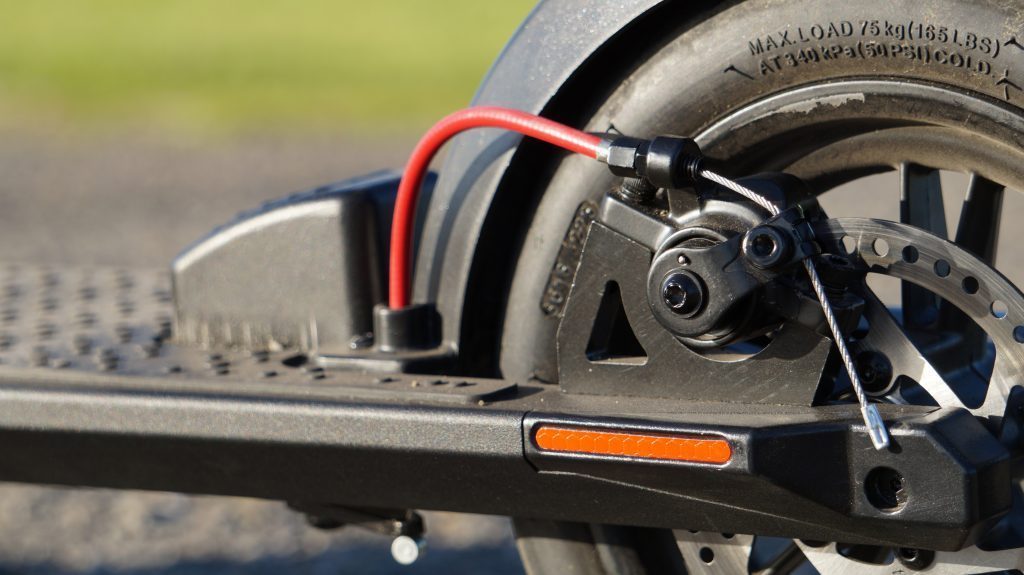
- Mechanical Brakes: These include disc brakes, drum brakes, and even foot brakes, all of which rely on physical force to slow down the scooter.
- Electric Brakes: Regenerative braking systems use the motor to slow the scooter while simultaneously recharging the battery.
- Combined Braking Systems: Many modern scooters use a combination of both for enhanced safety and efficiency.
Each type has unique strengths and weaknesses, and understanding your scooter’s brake system is the first step to troubleshooting issues effectively.
3. Common Brake Problems
Here are the most common brake issues scooter riders face:
3.1 Brake Squeaking or Screeching
This annoying noise often points to dirt, debris, or worn brake pads.
3.2 Brake Pads Worn Out
Over time, the brake pads lose their grip, leading to reduced stopping power.
3.3 Brake Lever Feels Loose
A loose or slack brake lever can make it harder to brake quickly.
3.4 Insufficient Braking Power
If your scooter doesn’t stop as quickly as it used to, you might have a cable tension or hydraulic pressure issue.
3.5 Brake Rotor Misalignment
A misaligned rotor can cause uneven braking and unnecessary wear on components.
3.6 Overheating Brakes
Continuous braking during downhill rides can cause overheating, leading to diminished performance.
3.7 Electric Brake Malfunctions
Issues with regenerative brakes often stem from software glitches or electrical component failure.
4. Diagnosing Brake Issues
Diagnosing your brake problems doesn’t require a degree in engineering. Here’s how you can start:
- Visual Inspection: Look for worn-out brake pads, loose components, or dirt buildup.
- Listen to the Brakes: Squeaks or grinding sounds can indicate specific issues.
- Test Responsiveness: Does your scooter stop quickly and smoothly, or does it feel sluggish?
Gather the right tools, such as Allen wrenches, screwdrivers, and lubricants, to start your inspection and repair.
5. How to Fix Mechanical Brake Problems
5.1 Adjusting Brake Cables and Levers
If your brake lever feels loose, tighten the brake cable by adjusting the tension screw near the lever.
5.2 Replacing Worn Brake Pads
Remove the old pads and install new ones that are compatible with your scooter model.
5.3 Realigning Brake Rotors
Using a rotor truing fork, gently bend the rotor back into alignment.
5.4 Cleaning and Lubricating Components
Dirt and grime can build up over time, so clean the brake system with isopropyl alcohol and apply a small amount of lubricant to moving parts.
6. How to Fix Electric Brake Problems
6.1 Calibrating the Electric Brake System
Reset the brake settings through the scooter’s app or control panel.
6.2 Resolving Software Issues
Update your scooter’s firmware regularly to prevent glitches.
6.3 Replacing Faulty Components
If the electric brake still doesn’t work, consult your manual to locate and replace the defective part, such as a brake sensor or controller.
7. Preventive Maintenance Tips for Scooter Brakes
- Inspect your brakes monthly for wear and tear.
- Clean brake components regularly to avoid dirt buildup.
- Store your scooter in a dry place to prevent rust or damage to the brake system.
- Replace brake pads and other parts as recommended by the manufacturer.
These small steps can extend your scooter’s lifespan and ensure your rides remain safe and enjoyable.
8. When to Seek Professional Help
Not all brake issues are DIY-friendly. If you notice advanced problems such as hydraulic fluid leaks or a malfunctioning electronic control board, it’s best to consult a professional technician. Choosing a reputable repair shop ensures the issue is fixed correctly and prevents further complications.
9. Frequently Asked Questions
Q: How often should I replace brake pads?
A: It depends on your riding habits, but typically every 6-12 months for frequent riders.
Q: Can I use third-party parts for repairs?
A: While possible, always ensure compatibility with your scooter model to avoid performance issues.
Q: Are regenerative brakes enough without mechanical brakes?
A: No, regenerative brakes are best paired with mechanical brakes for optimal safety.
10. Conclusion
Electric scooters are a fantastic way to get around, but they’re only as safe as their braking systems. By understanding common brake problems and learning how to fix them, you can ensure every ride is smooth and secure. Regular maintenance and timely repairs will not only save you money but also give you peace of mind every time you hit the road.