How to Fix a Flat Tire on Your Electric Scooter
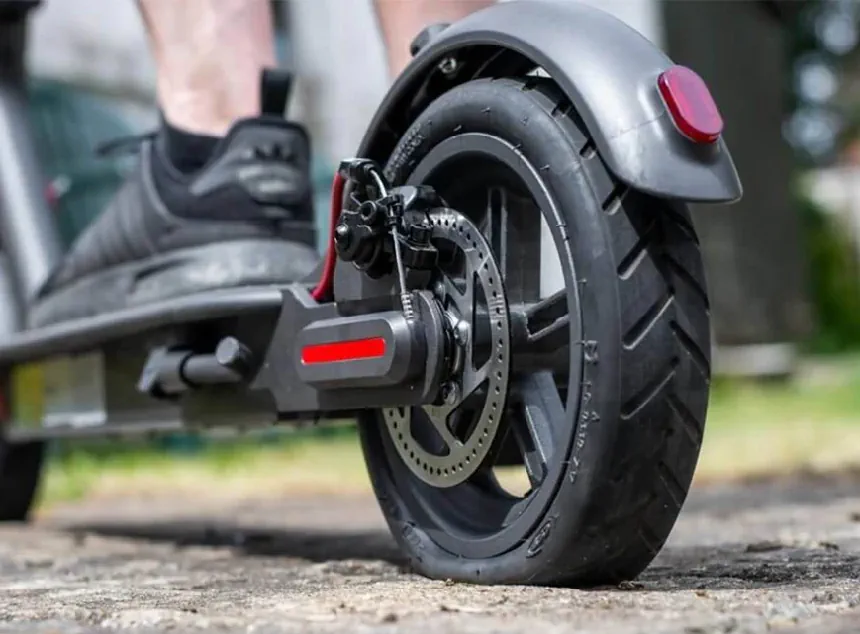
Electric scooters are a fantastic way to get around, but a flat tire can bring your adventure to an abrupt halt. Don’t let it ruin your day! Fixing a flat tire on your scooter is easier than you might think, and with the right tools and steps, you’ll be back on the road in no time. Here’s a step-by-step guide to help you navigate the process like a pro.
1. Introduction
Flat tires are one of the most common issues scooter owners face, thanks to rough terrain, sharp objects, or low tire pressure. While it may seem intimidating at first, learning how to fix a flat tire yourself saves you time and money. Plus, it’s a skill every electric scooter enthusiast should have in their toolkit. Let’s dive into it!
2. Tools and Materials You’ll Need
Before you begin, gather these essential items:
- Tire levers: For prying the tire off the rim.
- Patch kit: For fixing punctures in tubed tires.
- Replacement tire or tube: In case the damage is irreparable.
- Pump or CO₂ inflator: To re-inflate the tire.
- Wrenches or Allen keys: For removing the wheel.
Having these on hand ensures a smooth repair process.
3. Safety Precautions
Safety first! Follow these steps to protect yourself and your scooter:
- Turn off the scooter and remove the battery: This prevents accidental starts.
- Work on a flat surface: Ensure stability during repairs.
- Use gloves: Protect your hands from sharp objects or grease.
4. Identifying the Problem
How can you tell if you have a flat? Look out for:
- Visible deflation: The tire looks squished.
- Loss of control: The scooter wobbles or feels unstable.
- Hissing sound: Air escaping from the tire.
Inspect the tire carefully for punctures, tears, or embedded objects like nails or glass.
5. Removing the Flat Tire
Here’s how to safely remove the tire:
- Loosen the wheel nuts or axle bolts: Use the correct tool for your scooter model.
- Detach the wheel: Gently slide it off the scooter frame.
- Deflate the tire fully: This makes it easier to remove.
- Use tire levers: Pry the tire away from the rim. Be patient to avoid damaging the rim.
For scooters with tubed tires, remove the inner tube after detaching the tire.
6. Repairing or Replacing the Tire
Patching a Tubed Tire:
- Locate the puncture by submerging the tube in water and looking for bubbles.
- Dry the area and apply the patch from your repair kit.
- Let it set according to the instructions.
Sealing a Tubeless Tire:
- Clean the punctured area and insert a tire plug.
- Trim the excess plug and allow it to bond.
Replacing the Tire or Tube:
- If the damage is too severe, install a new tube or tire. Ensure it matches your scooter’s specifications.
7. Reinstalling the Tire
- Place the tire back onto the rim: Use tire levers for assistance.
- Reinflate the tire: Ensure the correct PSI (pressure) for your scooter model.
- Reattach the wheel to the scooter: Tighten all bolts securely.
- Check alignment: Make sure the tire spins smoothly without wobbling.
8. Testing and Maintenance Tips
Before hitting the road, test your repair:
- Inflation: Confirm the tire is holding air properly.
- Balance: Spin the wheel to ensure it’s aligned.
- Ride test: Take a short, cautious ride to verify stability.
For future prevention, check tire pressure regularly and avoid riding over sharp objects.
9. Conclusion
Fixing a flat tire on your electric scooter doesn’t have to be stressful. With the right tools and a bit of patience, you can handle most flats yourself. Plus, it’s empowering to know you’re prepared for whatever the road throws your way. Now, go enjoy the ride—puncture-free!
10. FAQs
Q: How often should I check my tire pressure?
A: At least once a week, especially if you ride frequently.
Q: Can I use any patch kit for my tire?
A: It’s best to use a patch kit designed for scooter tires to ensure compatibility.
Q: What’s the difference between tubed and tubeless tires?
A: Tubed tires have an inner tube that holds air, while tubeless tires rely on a seal between the tire and rim.